
Project Experience · Retail and Hospitality

Integrated Restaurant Systems

Audio, video, lighting, climate, security, access, refrigeration monitoring, communications, and guest Wi-Fi were designed to operate as one connected system.

Discuss a hospitality project
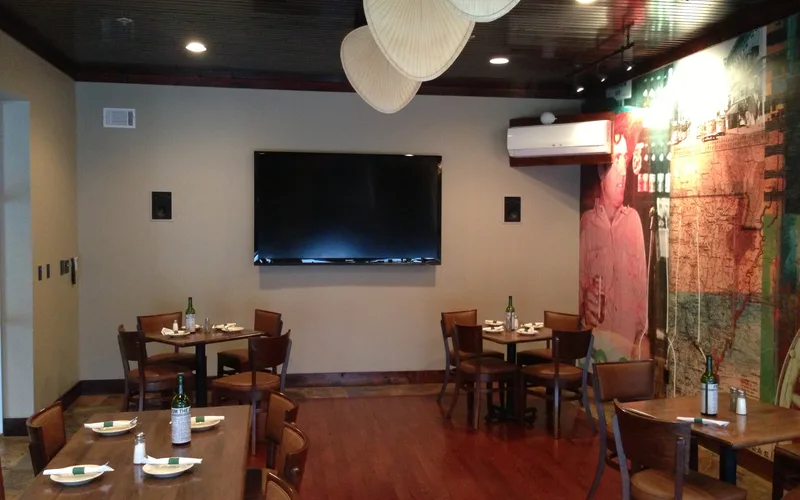
Private restaurant dining room with a feature display and in-wall speakers
The feature display, distributed audio, lighting, and climate were designed as parts of the same guest environment.
8Audio zones
12Video displays
6Climate zones
1Connected environment

The Project

One restaurant. Many systems. One practical design.

A restaurant can have excellent equipment and still be difficult to operate. The real challenge is getting lighting, music, displays, temperature, security, and day-to-day controls to work together without placing another burden on the staff.

For this Arkansas restaurant, the goal was to create one coordinated system around the way the operation actually worked. The design brought the customer-facing experience and the behind-the-scenes building systems into one practical environment.

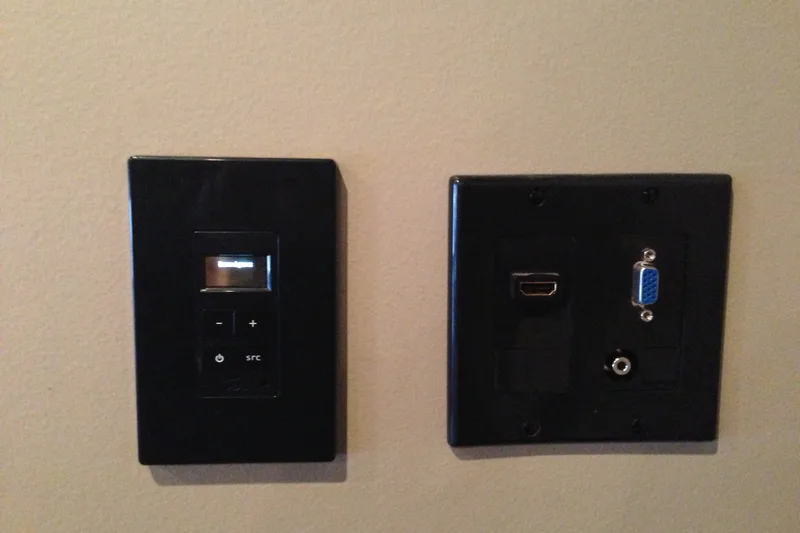
Wall-mounted restaurant audio and video controls
Local audio and video controls gave staff practical access to the systems they used throughout the day.

The Challenge

A building that changes from hour to hour.

Restaurants change throughout the day. The atmosphere needed for opening is not the same atmosphere wanted during the evening. Customer areas and staff areas have different requirements, while refrigeration spaces need dependable monitoring of their own.

Music and television contribute to the guest experience, but they also have to remain simple enough for staff to manage during a busy shift. Treating every part as a separate system would have added work instead of removing it.

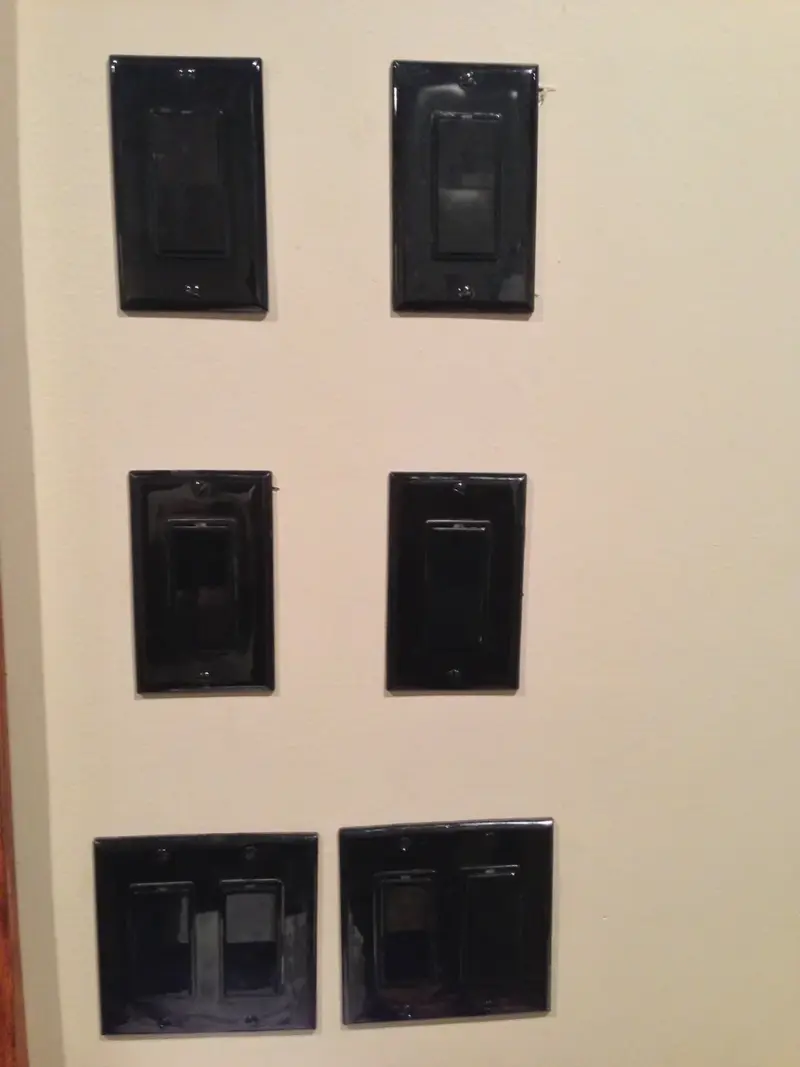
Black wall-mounted lighting controls installed at the restaurant
Grouped lighting controls supported scheduled scenes and practical local operation as the restaurant changed through the day.

A Connected Approach

Designed around the way the restaurant worked.

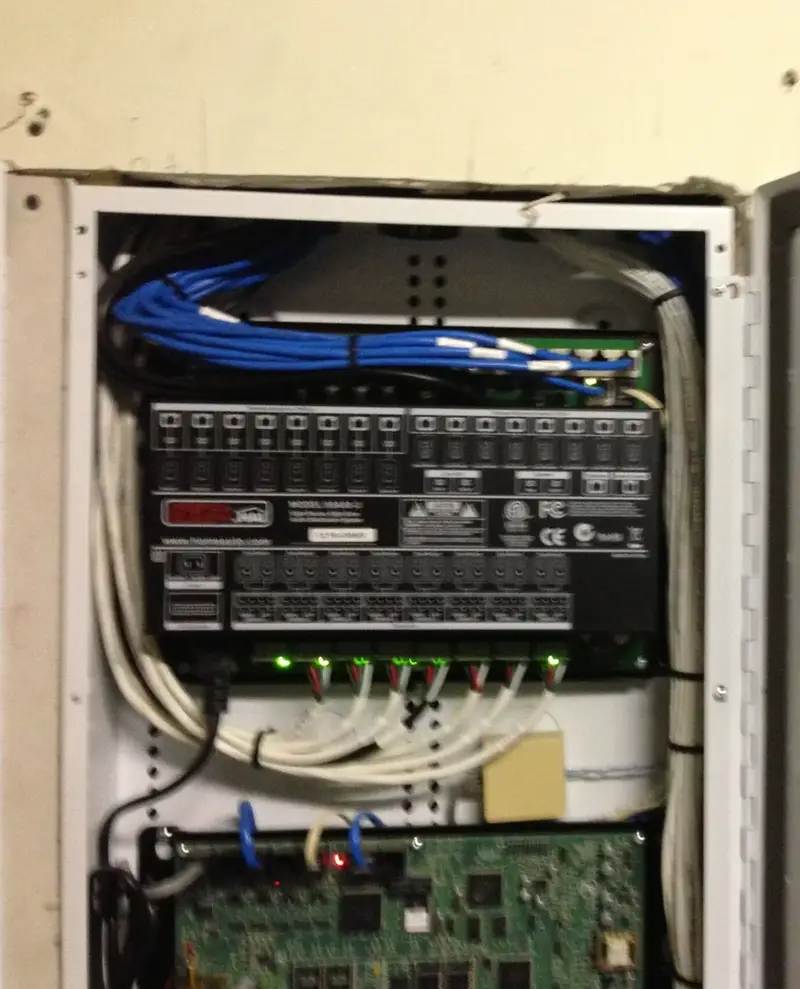
An HAI OmniPro II served as the primary automation and control platform, connecting lighting, audio, climate, security, access, surveillance, communications, and networking.

01

Lighting and energy management

Restaurant lighting, including signage, was controlled through HAI HLC dimmers, switches, and a three-phase repeater. Coordinated schedules and occupancy-based control were used where appropriate, while daytime and evening scenes changed gradually around sunset.

Six HAI Omnistat thermostats followed occupancy-based heating and cooling schedules. Extended-range temperature sensors also monitored walk-in coolers and freezers and could report a high-temperature condition before it became a larger problem.
02

Audio and video

An HAI Hi-Fi 2 eight-zone distributed audio system, supported by Episode amplification in the main dining area, served dining, bar, and support spaces. As lighting moved into the evening scene, the music level changed gradually with it.

Eleven Toshiba 46-inch displays and one Sharp Aquos 80-inch feature display were installed throughout the restaurant. Television audio could be brought into the distributed system where needed so audio and video worked together.

03

Security, access, communications, and connectivity

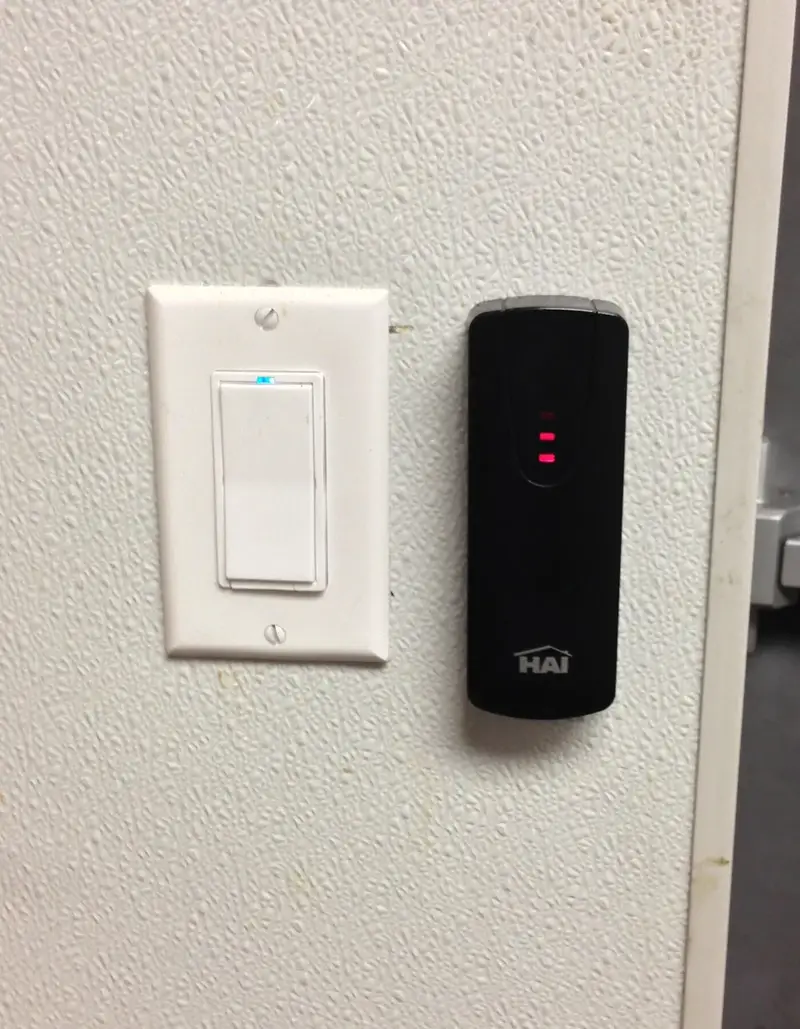
The OmniPro II security system was organized around the restaurant and its restricted areas. HAI card readers provided controlled access for selected staff areas, while a Wirepath DVR and camera system supplied surveillance for authorized users.

The NEC DSX business telephone system connected to selected automation functions. Ceiling-mounted wireless access points were installed and configured to provide a dependable guest Wi-Fi experience throughout the restaurant.

The Practical Result

A complicated building made simpler to operate.

What began as a long list of separate building systems became one coordinated operating environment. Scheduled lighting and climate control handled the normal rhythm of the day, while audio and video supported the guest experience.

Refrigeration monitoring watched conditions that could affect inventory. Security, access, cameras, communications, and guest connectivity remained available to the people who needed them without making every function another staff task.

Project Scope

The systems behind the experience.

Planning a Retail or Hospitality Project?

Design the systems around the way the organization works.

We can help coordinate audio, video, control, networking, lighting, climate, access, and software around the people operating the facility.